
Dear Friend,
Part Three in Mary Oliver’s Long Life she aptly titles, “Artists of the Beautiful.” It’s a somewhat abrupt turn she takes, from her studies of nature and animals in parts one and two, to a focus on her own literary inspirations, here.
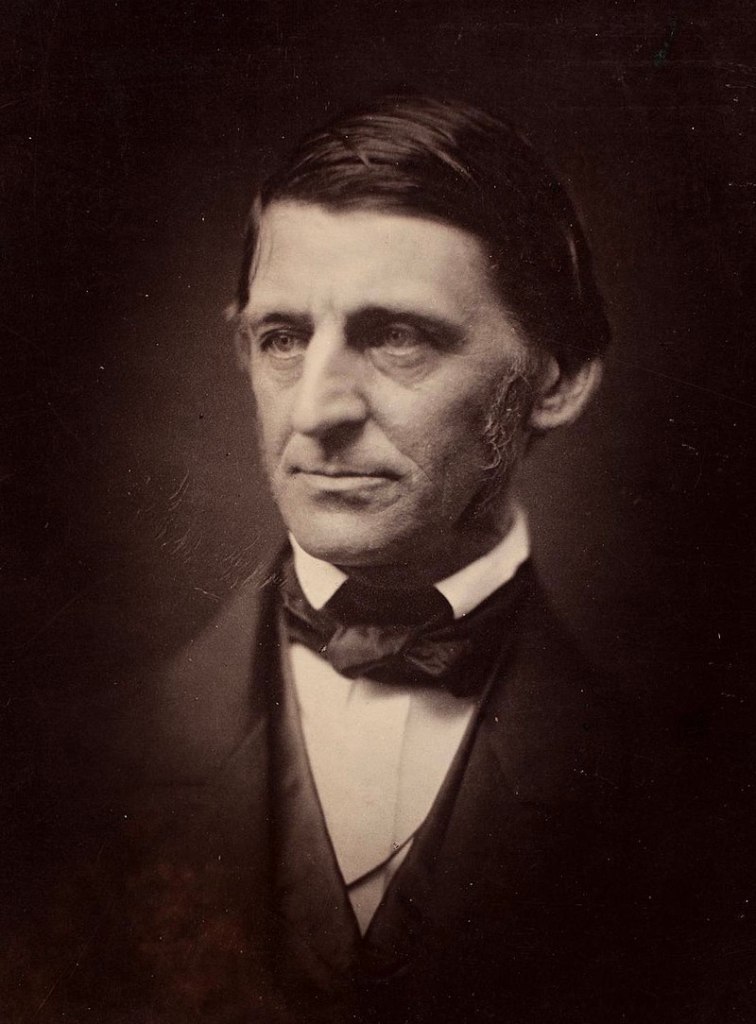
Although I was a little caught off guard by the subject change, it was pleasant to return to the transcendentalists, who were my first “favorite” groups of writers when I was in college, studying literature. It brought back a fond, if embarrassing, memory of when I attempted some feminist sarcasm in a 300-level American Transcendentalist literature paper, only to receive a comment in return, “is this YOUR perspective, or the author’s?” Oops! I guess I hadn’t quite figured out how to distinguish my tone and voice.
While Oliver mentions most of the big names in New England writers of this time, Whitman, Alcott, Poe, and Thoreau among them, she focuses primarily on two: Hawthorne and Emerson. Part of my enjoyment of this part of the book might be that it introduced me to the human beings Emerson and Hawthorne, not just the writers. In school, and over time, my favorite writers have always been Hawthorne and Poe, while my favorite thinkers have been Emerson and Thoreau. But what of their character?
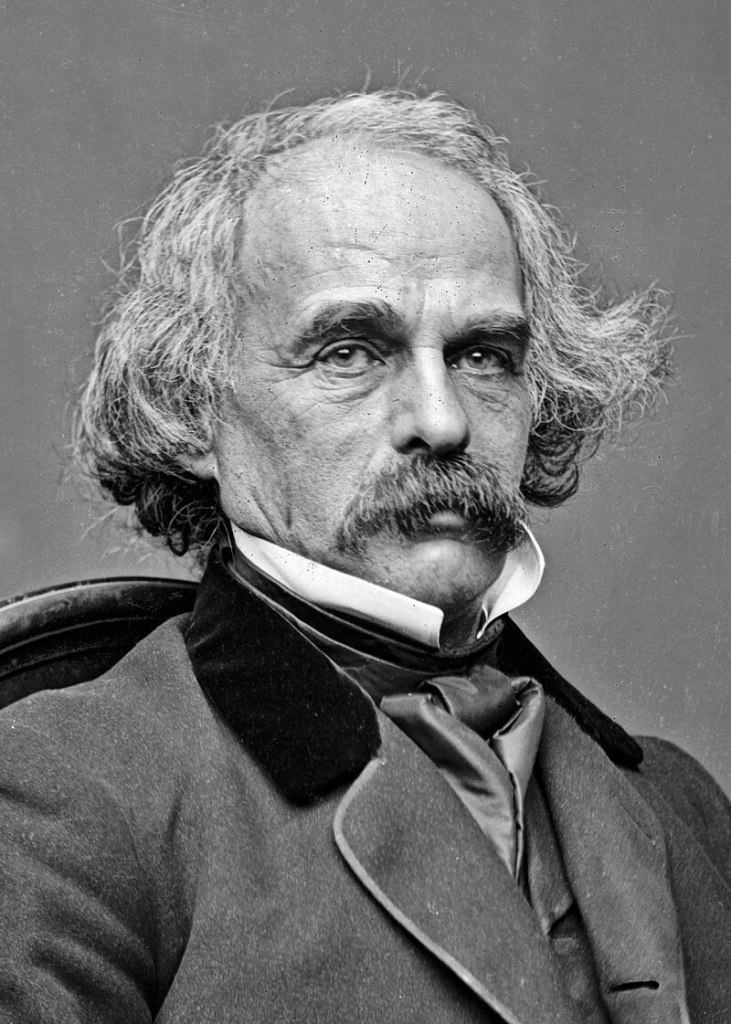
Interestingly, Oliver’s description of their personalities leads me to believe I’d much more enjoy the company of Emerson and Thoreau, the warm, open, loving sentimentalists, though I much prefer the wild, darker writing explorations of Poe and Hawthorne. Emerson, she writes, was “unbelievably sweet” and “wondrously spontaneous,” while Hawthorne was “remembered mostly for his silence” and “his aptitude in describing the darker portions of the soul.”
![Picture of page 63 of Mary Oliver's book, Long Life, where she describes Hawthorne's writing: "One of the sweetest prose stylists of his time. [The events that unfold in The House of the Seven Gables] are almost paintings, and they are written for the long and searching look."](https://contemplativereading.com/wp-content/uploads/2023/11/img_3360.jpg?w=640)
The comparison reminds me of my reflections last week on Part Two, and how curious I found it that Oliver said she thinks of herself as a creative who is much more interested in a calm day than the storms and tempests. It’s no wonder, then, she so admires Emerson, although she does call Hawthorne, “one of the sweetest prose stylists of his time” whose events “are almost paintings–written for the long and searching look.” If she hadn’t already convinced me to read Hawthorne again, that line alone would’ve done it.
Oliver spent much of her life in Massachusetts, and her work is notably New England in its style and themes. It makes sense that a writer would be influenced by her surroundings, the people, animals, communities, and other natural or industrial realities of the world in which she lives. But, I wonder, how many writers are influenced by writers from their region?
Next week, On November 29th, we’ll be wrapping-up our read through of Oliver’s Long Life and preparing to begin December’s selection, A Christmas Carol by Charles Dickens. I will also be announcing the January selection so you all can prepare to join, if you’re so inclined.
Meditation: “I believe that justice produces justice, and injustice injustice.” -Ralph Waldo Emerson
Wishing you love this Thanksgiving week,
~Adam
 Contemplative Reading Project
Leave a comment